-
Artist Talk
Artist Talk: Ida Kammerloch
18:30 – 20:00
Ebene 3
Free admission

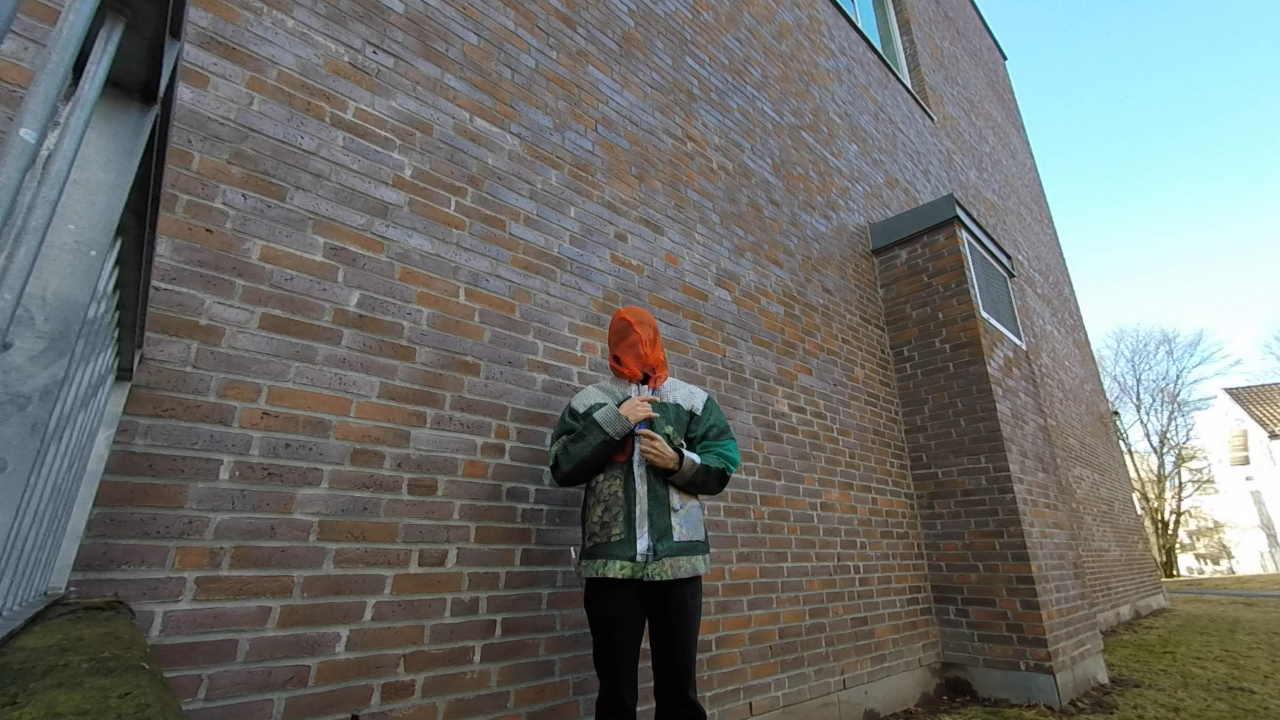
What do everyday objects reveal about the journeys they have undertaken and about the world in which they are produced, sold and used? In her work, Ida Kammerloch combines personal memories with questions about global production, consumption and the flow of goods.
In conversation with curator Inke Arns, the artist offers insights into MADE IN CHINA (2025) and Membrane of the New (since 2024), both of which are on display in the exhibition INDUSTRIAL. Silk Roads 3000. The artist talk explores the stories behind materials and packaging, examining how economic upheavals, global interconnections and personal experiences are inscribed in seemingly familiar objects.
The evening will be moderated by art historian and curator Amelie Gappa from the feminist initiative And She Was Like: BÄM!. Afterwards, the audience is invited to contribute their own questions to the discussion.
Gäste
Amelie Gappa is a freelance art historian, curator and marketing manager at PACT Zollverein in Essen. She sees curating as a ‘support structure’: the framework underpinning a delicate construct in which all participants and perspectives are significant. She currently works in public relations at PACT Zollverein, with a focus on marketing. Her previous work has included roles at the Villa Oppenheim in Berlin, the Kunstverein für die Rheinlande und Westfalen, the Museum Ludwig and the Kunstmuseen Krefeld. Most recently, she co-curated the programme at the Cologne off-space La Felce. As a PR consultant, she worked at welcome design on projects in the fields of design, architecture and art. She also volunteers with the feminist initiative And She Was Like: BÄM! and is a board member of AIC – Art Initiatives Cologne.
Ida Kammerloch is a visual artist and filmmaker whose work explores the ideological, media, and economic structures that shape our perception of reality. Based in Vienna, she creates video installations and essayistic works that combine documentary research with parafictional strategies. Drawing on found footage, everyday objects, and archival material, she examines how bodies, images, and desires are encoded and circulated under late capitalism. Her practice is informed by critical media theory, artistic research, and visual methods of investigative storytelling.